Bariatric Surgery: What to Expect Before, During, and After
Surgery Center Directory Team
June 11, 2026
Bariatric (weight loss) surgery has traditionally required a hospital stay, but for well-selected, healthy patients, some procedures — particularly the sleeve gastrectomy — are now being performed at ambulatory surgery centers with same-day or 23-hour observation discharge. This isn't appropriate for every patient or every procedure, and the pre-operative process is considerably more involved than for most other elective surgeries, which surprises people who expect to schedule it the way they would a knee scope.
The main procedures, briefly
Sleeve gastrectomy removes roughly 75 to 80% of the stomach, leaving a narrow tube-shaped stomach that restricts food intake and also reduces production of a hormone that stimulates hunger. It's currently the most commonly performed bariatric procedure in the U.S. and the one most often performed in an ASC setting for appropriate candidates. Gastric bypass reroutes part of the digestive tract in addition to reducing stomach size, generally producing somewhat greater weight loss and metabolic benefit but with more surgical complexity and a longer recovery — it's more often performed in a hospital setting.
Both are typically done laparoscopically (through small incisions) rather than open surgery, which is part of why recovery is faster than older surgical approaches. The choice between procedures depends on individual health factors, weight loss goals, and specific medical conditions (gastric bypass, for example, is often preferred for patients with significant acid reflux, which sleeve surgery can sometimes worsen).
The pre-operative process is the longest part
Most insurance plans require a supervised weight loss program, nutritional counseling, a psychological evaluation, and clearance from multiple specialists before approving bariatric surgery — this process commonly takes 3 to 6 months and sometimes longer. This isn't bureaucratic gatekeeping without purpose; it's intended to confirm the patient is prepared for the significant, permanent lifestyle changes required after surgery and to identify and address any factors that would increase surgical risk beforehand.
A pre-operative diet, often a liquid or very low-calorie diet for 1 to 2 weeks immediately before surgery, is standard and specifically intended to shrink the liver, which sits adjacent to the stomach and needs to be smaller and less fatty for the surgeon to safely access the surgical area. Not following this diet strictly is a common reason procedures get delayed or, in rare cases, aborted once surgery has already started.
The day of surgery and immediate recovery
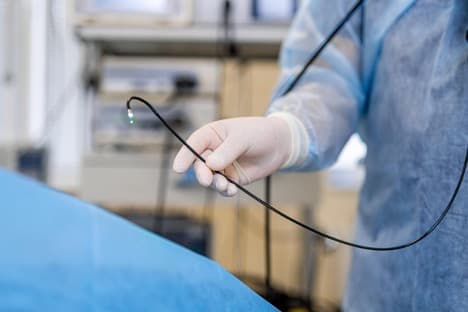
The procedure itself typically takes 1 to 2 hours under general anesthesia. For an ASC-appropriate sleeve gastrectomy, some patients go home the same day, while others stay for a planned 23-hour observation period — this is decided based on individual risk factors and how the patient does immediately post-op, not a fixed rule.
Pain is generally described as manageable, more related to gas used to inflate the abdomen during the laparoscopic procedure (causing referred shoulder pain that resolves within a few days) than to the incisions themselves. Walking is encouraged very soon after surgery, both to aid recovery and to reduce blood clot risk.
The diet progression: this is not optional or flexible
Recovery involves a strict, staged diet progression — typically clear liquids, then full liquids, then pureed foods, then soft foods, then a gradual return to regular textures — over several weeks, specific to the surgeon's protocol. This isn't a general guideline to loosely follow; deviating from it, particularly too early, is a real risk to the surgical site given how significantly the stomach's structure has changed.
Small, frequent meals become the permanent long-term eating pattern, not just a recovery-phase adjustment. Adequate protein intake and specific vitamin and mineral supplementation, particularly for gastric bypass patients whose surgery affects nutrient absorption, is a lifelong requirement, not a temporary post-op instruction — skipping this has real long-term health consequences including nutritional deficiencies.
Weeks to months: return to activity
Most patients return to desk work within 1 to 2 weeks and to full activity, including exercise, within 4 to 6 weeks, though this varies by individual and by procedure. Significant weight loss typically continues for 12 to 18 months following surgery, with the specific pattern and total amount varying by procedure and individual adherence to the required dietary and lifestyle changes.
What to flag rather than assume is normal
Severe abdominal pain, fever, rapid heart rate, or an inability to keep any liquids down are not expected parts of recovery and warrant urgent evaluation rather than waiting it out, since they can indicate a leak at the surgical site — a serious, though uncommon, complication. Persistent vomiting when advancing to a new food stage, rather than occasional minor discomfort, should also prompt a call to the surgical team before continuing to advance the diet on the original schedule.
Related Resources
Looking for a surgery center near you?
Search 5,700+ Medicare-certified ASCs and compare CAHPS scores, accreditation, and patient reviews.